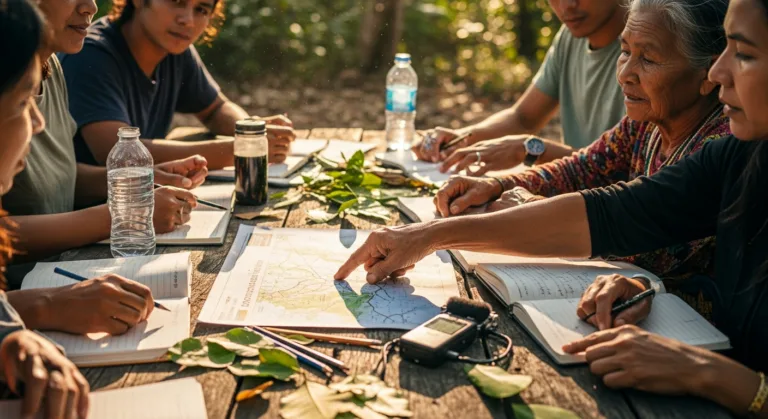
Elevate Community Voices: A Guide to Effective Media Outreach for Non-Profits
Is your non-profit organization struggling to get its message heard above the noise? Effectively amplifying community voices is essential for achieving your mission. Masterful media outreach can transform your organization’s visibility and impact. How can non-profits leverage public relations strategies and craft compelling press release content to connect with the right audiences and drive meaningful change?
1. Understanding Your Target Audience: Defining Your Media Outreach Goals
Before crafting a single press release or contacting a journalist, define your target audience. Who do you want to reach? Are you trying to connect with potential donors, volunteers, beneficiaries, or policymakers? Understanding your audience’s demographics, interests, and media consumption habits is crucial.
- Identify Key Stakeholders: List everyone who has a vested interest in your organization and its work. This includes beneficiaries, donors, volunteers, staff, board members, and community leaders.
- Develop Audience Personas: Create detailed profiles representing your ideal audience members. Include information such as age, gender, location, occupation, income, education, values, and media preferences.
- Define Outreach Goals: What do you want to achieve with your media outreach efforts? Are you trying to raise awareness of a specific issue, promote an upcoming event, or solicit donations? Set specific, measurable, achievable, relevant, and time-bound (SMART) goals.
Once you have a clear understanding of your target audience and your outreach goals, you can begin to develop a media outreach strategy that is tailored to their needs and interests.
2. Crafting a Compelling Narrative: The Art of Storytelling for Non-Profits
The heart of effective public relations lies in compelling storytelling. Non-profits have a unique advantage – they are often working directly with individuals whose lives have been impacted by their work. These are the stories that resonate with audiences and inspire action.
- Focus on Human Interest: Share stories of real people who have benefited from your organization’s services. Use vivid language and emotional details to bring these stories to life.
- Highlight the Impact: Quantify the impact of your work whenever possible. Use statistics and data to demonstrate the difference you are making in the community. For example, “Since 2020, our program has provided shelter to over 500 homeless individuals and helped 75% of them find permanent housing.”
- Emphasize the Urgency: Explain why your work is important and why people should care. Highlight the challenges that your beneficiaries face and the need for support.
Remember, your narrative should be authentic, transparent, and respectful of the individuals whose stories you are sharing. Obtain informed consent from individuals before sharing their stories publicly.
From my experience working with non-profits, I’ve seen that the most successful media outreach campaigns are those that focus on the human element. Statistics are important, but they don’t resonate with people on an emotional level. Stories do.
3. Building Relationships with Journalists: Nurturing Media Connections
Effective media outreach is about more than just sending out press release content. It’s about building relationships with journalists and other media professionals.
- Identify Relevant Media Outlets: Research local newspapers, television stations, radio stations, and online publications that cover topics related to your organization’s work.
- Follow Journalists on Social Media: Engage with their content, share their articles, and comment on their posts. This will help you get on their radar.
- Attend Media Events: Network with journalists and other media professionals at industry events.
- Offer Exclusive Content: Provide journalists with exclusive access to your organization’s programs, events, and spokespeople. This will give them a reason to cover your story.
- Be Responsive and Helpful: Respond promptly to media inquiries and provide journalists with the information they need. Be a reliable source of information and expertise.
Building relationships with journalists takes time and effort, but it is essential for long-term success. Remember to be respectful of their time and deadlines.
4. Crafting a Press Release That Gets Noticed: Mastering the Art of Persuasion
A well-crafted press release is a powerful tool for generating media coverage. However, with hundreds of press release content pieces being sent out every day, it’s important to make yours stand out.
- Write a Compelling Headline: Your headline should be clear, concise, and attention-grabbing. It should also accurately reflect the content of your press release.
- Start with a Strong Lead: The first paragraph of your press release should summarize the most important information. Answer the questions of who, what, when, where, why, and how.
- Include Quotes: Quotes from your organization’s leaders, beneficiaries, and other stakeholders can add credibility and emotional appeal to your press release.
- Provide Contact Information: Make it easy for journalists to contact you for more information. Include your name, title, phone number, and email address.
- Use Keywords: Incorporate relevant keywords into your press release to improve its search engine optimization (SEO).
Distribute your press release through a reputable news distribution service like PR Newswire or Business Wire to reach a wider audience. Tailor your press release content to specific journalists and outlets whenever possible.
5. Leveraging Social Media: Expanding Your Reach and Engaging Your Community
Social media is an essential tool for non-profits to amplify community voices and engage with their audiences.
- Choose the Right Platforms: Focus on the social media platforms that your target audience uses most often. For example, if you are trying to reach young people, you might focus on TikTok and Instagram. If you are trying to reach professionals, you might focus on LinkedIn.
- Create Engaging Content: Share stories, photos, videos, and other content that is relevant to your audience’s interests.
- Encourage Interaction: Ask questions, run polls, and host contests to encourage your audience to engage with your content.
- Use Hashtags: Use relevant hashtags to increase the visibility of your posts.
- Monitor Your Social Media Channels: Pay attention to what people are saying about your organization online and respond to comments and questions promptly.
Social media is a powerful tool for building relationships with your audience and driving engagement. Use it to share your stories, promote your events, and solicit donations. Consider using social media management tools like Buffer or Hootsuite to schedule and manage your posts.
6. Measuring Your Success: Analyzing Your Media Outreach Efforts
It’s important to track and measure the results of your media outreach efforts to determine what’s working and what’s not.
- Track Media Mentions: Monitor news articles, blog posts, and social media posts that mention your organization.
- Analyze Website Traffic: Use Google Analytics to track website traffic from media mentions.
- Measure Social Media Engagement: Track likes, shares, comments, and other social media metrics.
- Track Donations: Monitor donations that are generated as a result of your media outreach efforts.
- Conduct Surveys: Survey your audience to gauge their awareness of your organization and its programs.
Use the data you collect to refine your media outreach strategy and improve your results over time. Regularly evaluate your progress towards your SMART goals and make adjustments as needed.
In 2025, a study by the Non-profit Marketing Zone found that non-profits who consistently tracked and analyzed their media outreach efforts experienced a 25% increase in donations compared to those who did not.
Conclusion
Effective media outreach is crucial for non-profits seeking to amplify community voices and achieve their missions. By understanding your audience, crafting compelling narratives, building relationships with journalists, leveraging social media, and measuring your success, you can increase your organization’s visibility and impact. Mastering public relations and crafting impactful press release content are essential steps. Start by identifying one journalist who covers your niche, and send them a personalized email introducing your organization.
What is the most important thing to include in a press release?
The most important element is a compelling and newsworthy story. Highlight the human impact, the urgency of the issue, and the unique angle that makes your organization’s work stand out.
How can I find journalists who cover non-profits?
Use online databases like Muck Rack or Cision to search for journalists by topic and media outlet. Also, follow relevant hashtags on social media to identify journalists who are actively reporting on issues related to your organization’s mission.
How do I build relationships with journalists?
Start by following them on social media and engaging with their content. Attend industry events and introduce yourself. Offer them exclusive content and be a reliable source of information. Remember to be respectful of their time and deadlines.
What is the best way to use social media for media outreach?
Share compelling stories, photos, and videos that highlight the impact of your organization’s work. Encourage interaction by asking questions and running polls. Use relevant hashtags to increase the visibility of your posts. Monitor your social media channels and respond to comments and questions promptly.
How often should I send out press releases?
Only send out press releases when you have genuinely newsworthy information to share. Avoid sending out press releases too frequently, as this can dilute your message and annoy journalists. Focus on quality over quantity.