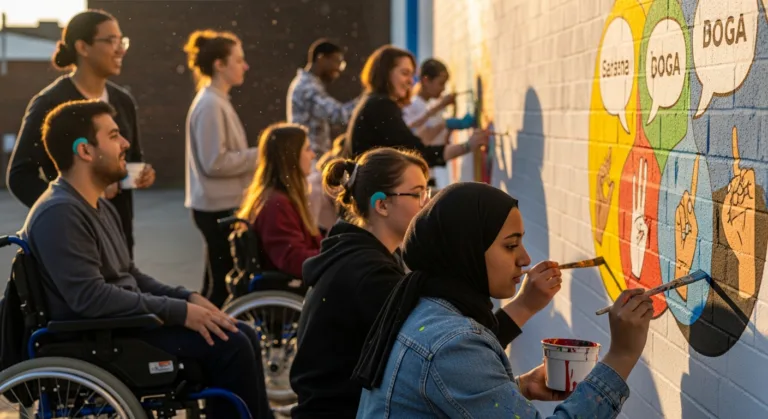
Inclusion is Not Optional: 5 Ways to Build a Truly Inclusive Brand in 2026
In 2026, inclusion is no longer a buzzword; it’s a business imperative. Consumers are demanding that brands reflect their values, and that includes a demonstrated commitment to diversity, equity, and belonging. Building an inclusive brand isn’t just about doing the right thing; it’s about future-proofing your business. But how can you ensure your brand genuinely resonates with a diverse audience and avoids performative activism?
1. Conduct a Comprehensive Diversity and Inclusion Audit
Before you can build an inclusive brand, you need to understand where you currently stand. A diversity and inclusion audit provides a snapshot of your organization’s strengths and weaknesses in these areas. This goes beyond simply counting heads; it involves analyzing your policies, practices, and culture to identify any systemic biases or barriers to inclusion.
Here’s what a comprehensive audit should cover:
- Workforce Demographics: Analyze the representation of different demographic groups (gender, race, ethnicity, sexual orientation, disability status, etc.) at all levels of your organization.
- Pay Equity: Conduct a pay equity analysis to identify any gender or racial pay gaps. Software solutions can help automate this process.
- Recruitment and Hiring Practices: Examine your recruitment and hiring processes to identify any potential biases. Are you sourcing candidates from diverse talent pools? Are your job descriptions inclusive?
- Promotion and Advancement Opportunities: Analyze promotion rates and leadership representation to ensure that all employees have equal opportunities to advance.
- Training and Development Programs: Evaluate your training and development programs to ensure that they are inclusive and culturally relevant.
- Employee Resource Groups (ERGs): Assess the effectiveness of your ERGs in fostering a sense of belonging and providing support to underrepresented employees.
- Supplier Diversity: Review your supply chain to ensure that you are working with diverse suppliers.
- Marketing and Communications: Analyze your marketing and communications materials to ensure that they are inclusive and representative of your target audience.
- Customer Service: Evaluate your customer service practices to ensure that all customers are treated with respect and dignity.
Once you have gathered this data, analyze it to identify areas where you can improve. Be honest about your shortcomings and develop a plan to address them. Remember, transparency is key to building trust with your stakeholders.
A 2025 Harvard Business Review study found that companies that conduct regular diversity and inclusion audits are more likely to attract and retain top talent.
2. Embed Equity in Your Brand Values and Mission
Equity goes beyond equality. It recognizes that different people have different needs and circumstances and that they may require different resources and support to achieve equal outcomes. To build a truly inclusive brand, you need to embed equity into your core values and mission.
Here’s how:
- Define Equity Clearly: Articulate what equity means to your organization. This definition should be specific, measurable, achievable, relevant, and time-bound (SMART).
- Integrate Equity into Your Mission Statement: Revise your mission statement to reflect your commitment to equity. For example, instead of saying “We provide equal opportunities for all,” you might say “We are committed to providing equitable opportunities for all, recognizing that different individuals may require different levels of support.”
- Align Your Policies and Practices: Review all of your policies and practices to ensure that they are aligned with your commitment to equity. This includes policies related to recruitment, hiring, promotion, compensation, training, and employee benefits.
- Communicate Your Commitment: Communicate your commitment to equity to your employees, customers, and other stakeholders. Share your definition of equity, your goals, and your progress.
Consider implementing flexible work arrangements to accommodate employees with different needs and responsibilities. Offer mentorship programs specifically designed to support underrepresented employees. Provide accessibility accommodations for employees and customers with disabilities. These are concrete steps that demonstrate your commitment to equity.
3. Foster a Culture of Belonging Through Employee Engagement
Belonging is the feeling of being accepted, valued, and respected for who you are. It’s about creating a workplace where everyone feels comfortable bringing their whole selves to work. A strong sense of belonging leads to increased employee engagement, productivity, and retention.
Here’s how to foster a culture of belonging:
- Listen to Your Employees: Create opportunities for employees to share their experiences and perspectives. Conduct regular employee surveys, focus groups, and town hall meetings. Use the feedback you gather to identify areas where you can improve the employee experience. Consider using platforms like Culture Amp to gather and analyze employee feedback.
- Promote Inclusive Leadership: Train your leaders to be inclusive and empathetic. Teach them how to recognize and address unconscious biases. Encourage them to create a safe and supportive environment where employees feel comfortable speaking up.
- Celebrate Diversity: Recognize and celebrate the diversity of your workforce. Organize cultural events, heritage months, and other activities that promote understanding and appreciation of different cultures.
- Create Employee Resource Groups (ERGs): Support the formation and growth of ERGs. These groups provide a safe space for employees from underrepresented groups to connect, share their experiences, and advocate for change.
- Offer Inclusive Benefits: Provide benefits that meet the diverse needs of your employees. This includes benefits such as parental leave, flexible spending accounts, and mental health support.
Remember, creating a culture of belonging is an ongoing process. It requires consistent effort and commitment from everyone in the organization.
4. Authentically Represent Diversity in Marketing and Communications
Your marketing and communications materials are a reflection of your brand. If you want to build an inclusive brand, you need to ensure that your marketing and communications materials authentically represent the diversity of your target audience. This means featuring people of different races, ethnicities, genders, sexual orientations, abilities, and ages in your ads, website, and social media channels.
Here’s how to authentically represent diversity:
- Avoid Stereotypes: Be mindful of the stereotypes that you may be perpetuating in your marketing and communications materials. Avoid using language or imagery that reinforces harmful stereotypes.
- Showcase Real People: Feature real people in your marketing and communications materials, not just models. This will help to create a more authentic and relatable message.
- Tell Diverse Stories: Share stories that reflect the diversity of your target audience. This will help to connect with your audience on a deeper level and build trust.
- Use Inclusive Language: Use language that is inclusive of all people. Avoid using gendered language or language that excludes people with disabilities.
- Consult with Experts: If you are unsure about how to represent diversity in your marketing and communications materials, consult with experts in the field. There are many organizations that specialize in diversity and inclusion consulting.
Consider partnering with diverse influencers and creators to reach new audiences and build credibility. Ensure that your website is accessible to people with disabilities by following accessibility guidelines.
A 2024 Nielsen study showed that ads featuring diverse casts are more likely to resonate with consumers and drive sales.
5. Measure and Report on Your Progress Towards Diversity and Inclusion Goals
Measurement is essential for tracking your progress and identifying areas where you need to improve. To build a truly inclusive brand, you need to set clear diversity and inclusion goals and measure your progress towards those goals on a regular basis. Report your progress transparently to your employees, customers, and other stakeholders.
Here’s how to measure and report on your progress:
- Set Specific Goals: Set specific, measurable, achievable, relevant, and time-bound (SMART) goals for diversity and inclusion. For example, you might set a goal to increase the representation of women in leadership positions by 20% by 2028.
- Track Key Metrics: Track key metrics such as workforce demographics, pay equity, employee engagement, and customer satisfaction.
- Use Data Analytics: Use data analytics to identify trends and patterns. This will help you to understand what is working and what is not.
- Report Your Progress: Report your progress on a regular basis to your employees, customers, and other stakeholders. This could be through an annual diversity and inclusion report or through regular updates on your website and social media channels.
- Be Transparent: Be transparent about your progress, both the successes and the challenges. This will help to build trust and credibility with your stakeholders.
Publicly sharing your diversity and inclusion data demonstrates your commitment to accountability. Consider using a framework like the Global Reporting Initiative (GRI) standards for sustainability reporting, which includes aspects of diversity and inclusion.
Building an inclusive brand in 2026 is not a one-time project; it’s an ongoing journey. By conducting a comprehensive audit, embedding equity in your values, fostering a culture of belonging, authentically representing diversity in your marketing, and measuring your progress, you can create a brand that truly reflects the diversity of the world around us.
Frequently Asked Questions
What is the difference between diversity, equity, and inclusion?
Diversity refers to the presence of differences within a group. Equity recognizes that different people have different needs and circumstances and may require different resources and support to achieve equal outcomes. Inclusion is the feeling of being accepted, valued, and respected for who you are.
Why is inclusion important for my brand?
Inclusion is important because it allows you to connect with a wider audience, attract and retain top talent, and build a stronger brand reputation. Consumers are increasingly demanding that brands reflect their values, and that includes a demonstrated commitment to diversity, equity, and inclusion.
How can I measure the success of my diversity and inclusion initiatives?
You can measure the success of your diversity and inclusion initiatives by tracking key metrics such as workforce demographics, pay equity, employee engagement, and customer satisfaction. It’s also crucial to gather qualitative feedback from employees through surveys and focus groups.
What are some common mistakes to avoid when building an inclusive brand?
Some common mistakes to avoid include performative activism, tokenism, and a lack of transparency. It’s important to be authentic, genuine, and committed to long-term change.
How can I get started with building an inclusive brand today?
Start by conducting a diversity and inclusion audit to assess your current state. Then, set clear goals, develop a plan, and communicate your commitment to your employees, customers, and other stakeholders. Remember that building an inclusive brand is an ongoing journey, not a one-time project.
Building a truly inclusive brand in 2026 requires a conscious, consistent effort. It’s not enough to simply pay lip service to diversity; you need to take concrete actions to create a workplace and a brand that is welcoming and equitable for all. By prioritizing inclusion, diversity, and equity, you can build a stronger, more resilient brand that resonates with a wider audience. The key takeaway? Start your diversity and inclusion audit now to identify opportunities for growth and improvement.