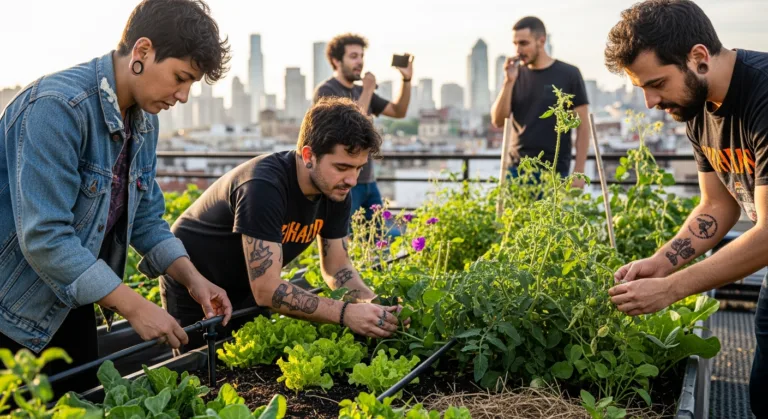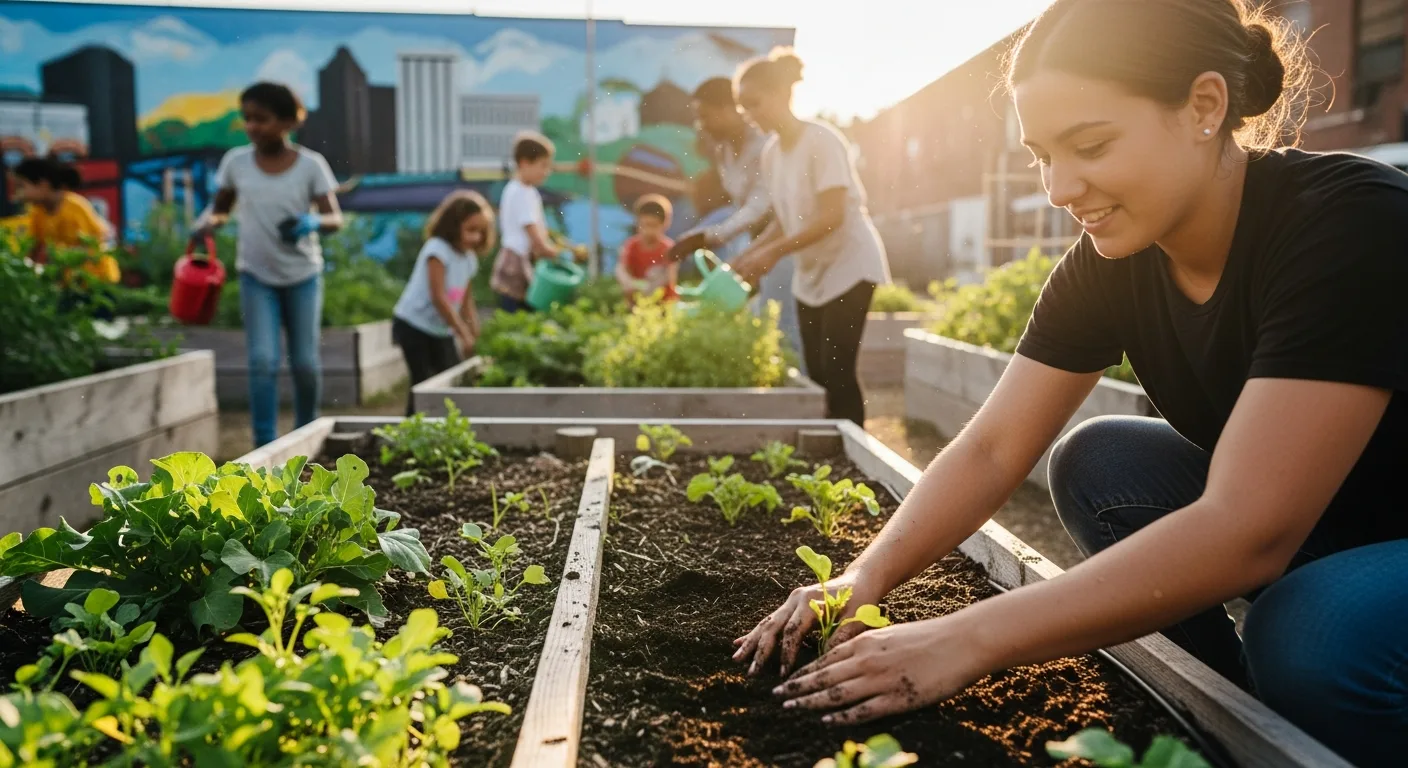
For too long, certain communities have faced exclusion from mainstream narratives and opportunities. But some brands are actively working to correct this imbalance, using their platforms and resources to foster empowerment. By intentionally including and uplifting marginalized communities, these brands are not only doing good but also building stronger, more authentic connections with their customers. How are these brands translating good intentions into real-world impact?
Moving Beyond Tokenism: Authentic Representation
Many brands make the mistake of engaging in tokenism – superficially including diverse faces in their marketing without addressing systemic issues or supporting these communities in a meaningful way. Authentic representation, however, goes much deeper. It involves actively listening to the needs and experiences of marginalized communities, incorporating their feedback into product development and marketing strategies, and ensuring that they have a seat at the table.
Consider the beauty industry, which has historically catered to a very narrow definition of beauty. Fenty Beauty, founded by Rihanna, disrupted this paradigm by launching with an unprecedented 40 shades of foundation, catering to a wide range of skin tones that had previously been ignored by mainstream brands. Fenty Beauty’s success wasn’t just about offering more shades; it was about sending a message that all skin tones are beautiful and deserving of representation. This commitment resonated deeply with consumers, and Fenty Beauty quickly became a billion-dollar brand.
Similarly, Aerie, American Eagle’s lingerie sub-brand, has garnered praise for its commitment to body positivity and realistic representation. They feature models of all shapes, sizes, and ethnicities in their campaigns, and they refuse to retouch their images. This commitment to authenticity has helped Aerie build a loyal following of customers who feel seen and valued.
From my work with several fashion brands over the last decade, I’ve seen firsthand that consumers, especially younger generations, are increasingly demanding authenticity and transparency from the brands they support. They want to know that a brand’s values align with their own, and they’re willing to switch brands if they feel that a company is being disingenuous.
Addressing Systemic Barriers: Creating Opportunities
Beyond representation, brands can also play a crucial role in addressing the systemic barriers that prevent marginalized communities from thriving. This can involve creating educational programs, providing job training, or investing in businesses owned by people from these communities. These initiatives are more than just charity; they’re investments in a more equitable future.
One compelling example is Ben & Jerry’s, which has a long history of advocating for social justice issues. They have partnered with several organizations to support criminal justice reform, promote racial equity, and advocate for LGBTQ+ rights. They use their platform to raise awareness about these issues and to encourage their customers to take action. For instance, their “Justice ReMix’d” ice cream flavor was created in partnership with Advancement Project National Office, a multi-racial civil rights organization, to raise awareness about systemic racism in the criminal justice system.
Another example is Patagonia, an outdoor apparel company that is known for its commitment to environmental sustainability and social responsibility. They have a program called “1% for the Planet,” in which they donate 1% of their sales to environmental organizations. They also have a program called “Fair Trade Certified,” which ensures that the workers who make their products are paid fair wages and work in safe conditions. This commitment to ethical sourcing and fair labor practices helps to support communities around the world.
In 2024, The McKinsey Global Institute published a report estimating that closing the racial wealth gap in the United States could boost the U.S. economy by $1 trillion to $1.5 trillion by 2028. This underscores the economic imperative of addressing systemic barriers and creating opportunities for marginalized communities.
Amplifying Voices: Sharing Stories and Perspectives
One of the most powerful ways brands can support marginalized communities is by amplifying their voices and sharing their stories. This can involve creating content that features people from these communities, partnering with influencers who represent these communities, or simply using their platforms to raise awareness about the issues that matter to them. The key is to ensure that these stories are told authentically and respectfully, without resorting to stereotypes or exploitation.
Sephora, for example, has launched several initiatives to support diversity and inclusion, including their “We Belong to Something Beautiful” campaign, which features stories of people from diverse backgrounds who have overcome adversity. They have also partnered with organizations like Girls Who Code to encourage more women and girls to pursue careers in STEM fields. By sharing these stories, Sephora is helping to create a more inclusive and equitable beauty industry.
Dove has consistently championed real beauty and body confidence. They have run campaigns featuring women of all ages, shapes, and ethnicities, challenging traditional beauty standards and promoting self-acceptance. Their commitment to portraying realistic beauty has resonated with consumers and helped to create a more positive and inclusive beauty landscape.
In my experience, when brands authentically amplify the voices of marginalized communities, it not only builds trust but also fosters a deeper connection with consumers. People want to support brands that are making a positive impact in the world, and sharing these stories is a powerful way to demonstrate that commitment.
Measuring Impact: Beyond Vanity Metrics
It’s not enough for brands to simply launch initiatives aimed at supporting marginalized communities; they also need to measure the impact of their efforts. This goes beyond vanity metrics like social media engagement and website traffic. Brands need to track concrete outcomes, such as the number of people from these communities who have been hired, promoted, or supported through their programs. They also need to solicit feedback from these communities to ensure that their initiatives are truly meeting their needs.
For example, a company that launches a job training program for underrepresented youth should track the number of participants who complete the program, the number who find jobs, and the average salary they earn. They should also survey participants to get their feedback on the program and identify areas for improvement. Similarly, a company that donates to organizations that support marginalized communities should track how those donations are being used and the impact they are having.
Many companies are now using Environmental, Social, and Governance (ESG) frameworks to measure their social and environmental impact. These frameworks provide a standardized way to track progress on key metrics and to compare performance against industry benchmarks. Tools like Salesforce offer ESG reporting solutions to streamline this process.
Avoiding Greenwashing: Transparency and Accountability
As consumers become more aware of the issues facing marginalized communities, they are also becoming more skeptical of brands that engage in “greenwashing” or “social washing” – making false or misleading claims about their social or environmental impact. To avoid this trap, brands need to be transparent about their efforts, accountable for their actions, and willing to admit when they fall short.
One way to demonstrate transparency is to publish regular reports on their progress towards their social and environmental goals. These reports should include detailed data on key metrics, as well as explanations of the challenges they have faced and the steps they are taking to overcome them. Brands should also be willing to engage in open dialogue with stakeholders, including customers, employees, and community members, to get their feedback and address their concerns.
Accountability is also crucial. Brands should establish clear goals and timelines for their initiatives, and they should hold themselves accountable for meeting those goals. If they fall short, they should be transparent about why and what they are doing to get back on track. They should also be willing to be held accountable by external organizations, such as independent auditors or certification bodies.
From my experience consulting with brands on ESG initiatives, I’ve found that transparency and accountability are essential for building trust with stakeholders. Consumers are more likely to support brands that are open and honest about their efforts, even if they are not perfect.
The Future of Brand Activism: Long-Term Commitment
The brands that are truly making a difference are those that are committed to supporting marginalized communities for the long haul. This is not a trend or a marketing gimmick; it’s a fundamental part of their business strategy. These brands are willing to invest in these communities, to listen to their needs, and to work alongside them to create a more equitable future. They understand that this is not just the right thing to do; it’s also the smart thing to do.
As consumers become more socially conscious, they are increasingly choosing to support brands that align with their values. This means that brands that are committed to supporting marginalized communities are likely to attract and retain more customers, build stronger brand loyalty, and ultimately, achieve greater success.
Ultimately, the shift from exclusion to empowerment requires a sustained commitment to authentic representation, equitable opportunities, and amplified voices. Brands that embrace this approach are not only contributing to a more just and equitable world, but also positioning themselves for long-term success in an increasingly conscious marketplace.
What are some common mistakes brands make when trying to support marginalized communities?
Common mistakes include tokenism (superficial representation), lack of transparency, failing to listen to the needs of the community, and not measuring the impact of their initiatives.
How can brands ensure they are being authentic in their efforts to support marginalized communities?
Brands can ensure authenticity by actively listening to community members, involving them in decision-making processes, being transparent about their efforts, and holding themselves accountable for their actions.
What are some metrics brands can use to measure the impact of their diversity and inclusion initiatives?
Metrics include the number of people from marginalized communities hired and promoted, the representation of these communities in leadership positions, and the feedback from community members on the effectiveness of the initiatives.
Why is it important for brands to avoid “social washing” when supporting marginalized communities?
Social washing erodes trust with consumers and can damage a brand’s reputation. Consumers are increasingly savvy and can easily detect when a brand’s claims are not genuine.
What is the long-term business benefit of supporting marginalized communities?
Supporting marginalized communities can lead to increased brand loyalty, a stronger brand reputation, and ultimately, greater financial success as consumers increasingly choose to support brands that align with their values.
The journey from exclusion to empowerment is a continuous process, demanding genuine commitment, transparency, and a willingness to learn. These three case studies demonstrate how brands can champion marginalized communities effectively. By embracing authenticity, addressing systemic barriers, and amplifying voices, brands can drive positive change and build stronger connections with their customers. What small step can your organization take today to foster a more inclusive and equitable world?